A map with places nobody has been is a brochure. A map where every pin was dropped by the person who stood there is a record.
Early on, before the atlas had a single photograph on it, we tried the obvious thing. We pinned the coasts we wanted. Lofoten. Socotra. The Skeleton Coast. Twelve pins on a dark globe and it looked, for about an hour, like a product.
Then someone asked who had been to them. Nobody. There were no photographs under the pins because no one had made any. There were no journeys because no one had taken them. The pins were wishes. And a wish, however well-placed on a map, is a kind of lie.
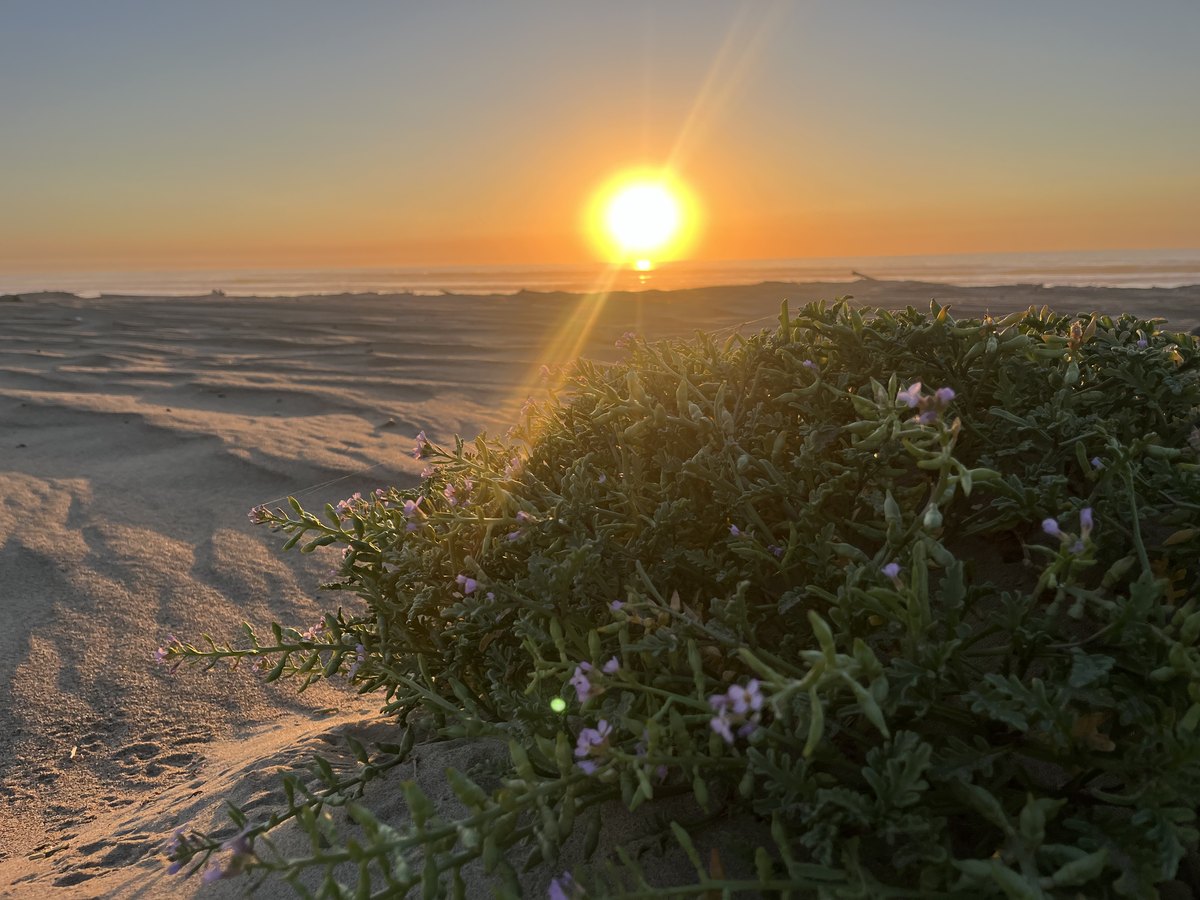
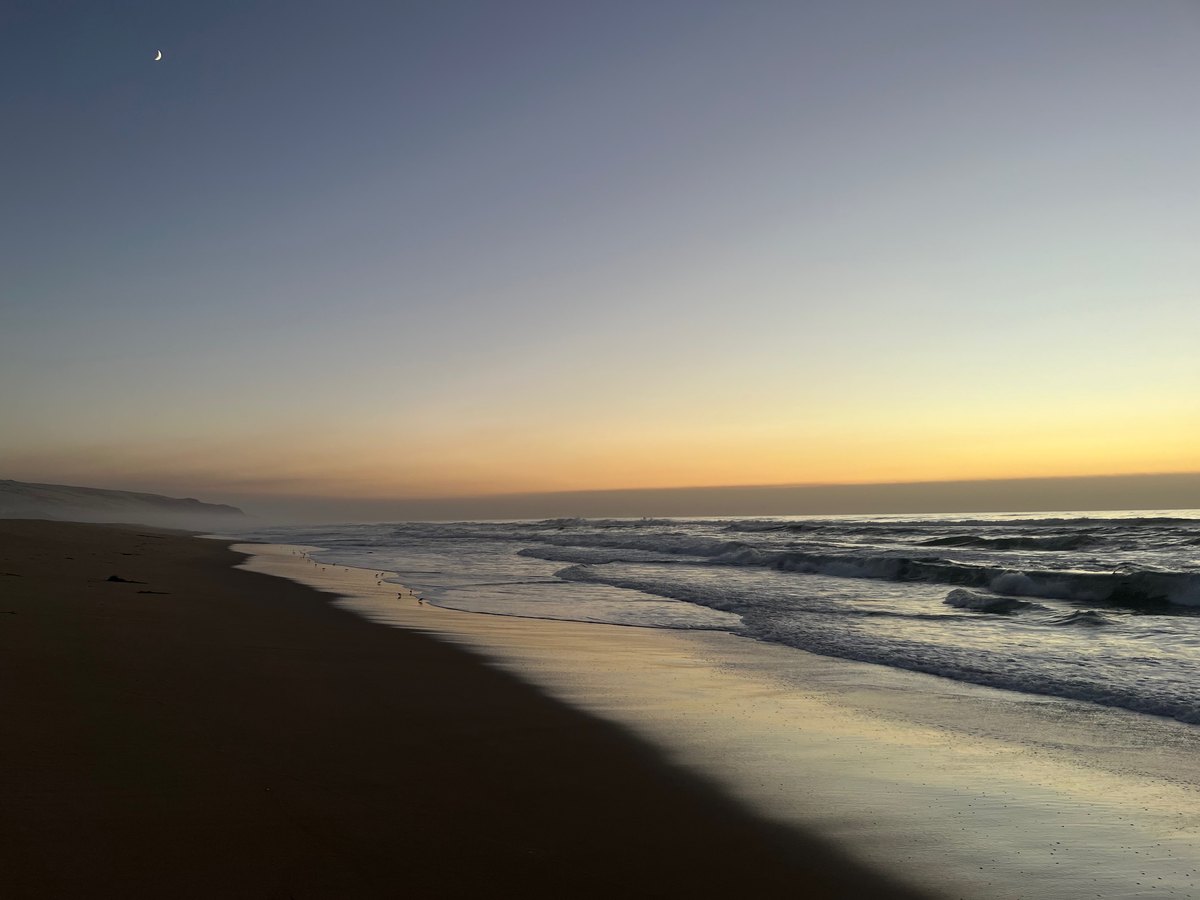
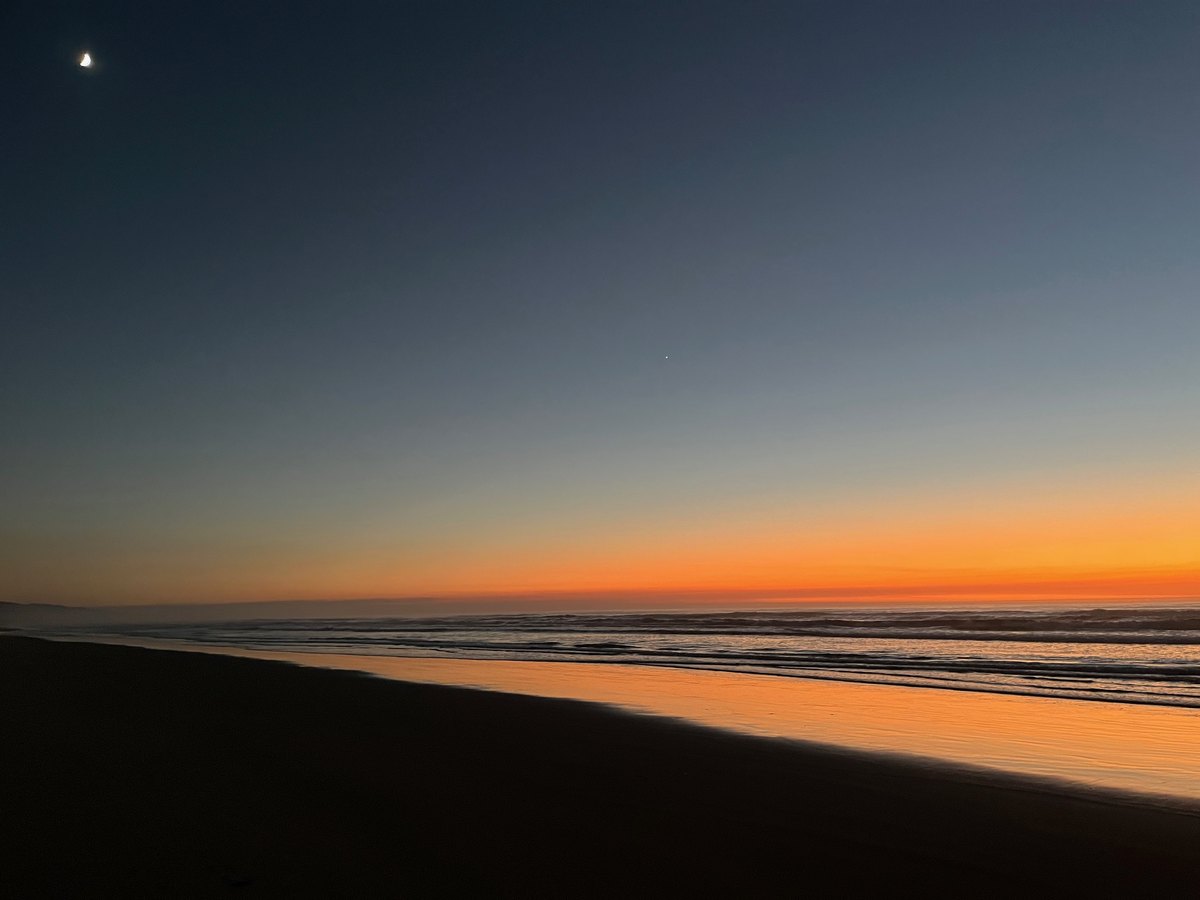
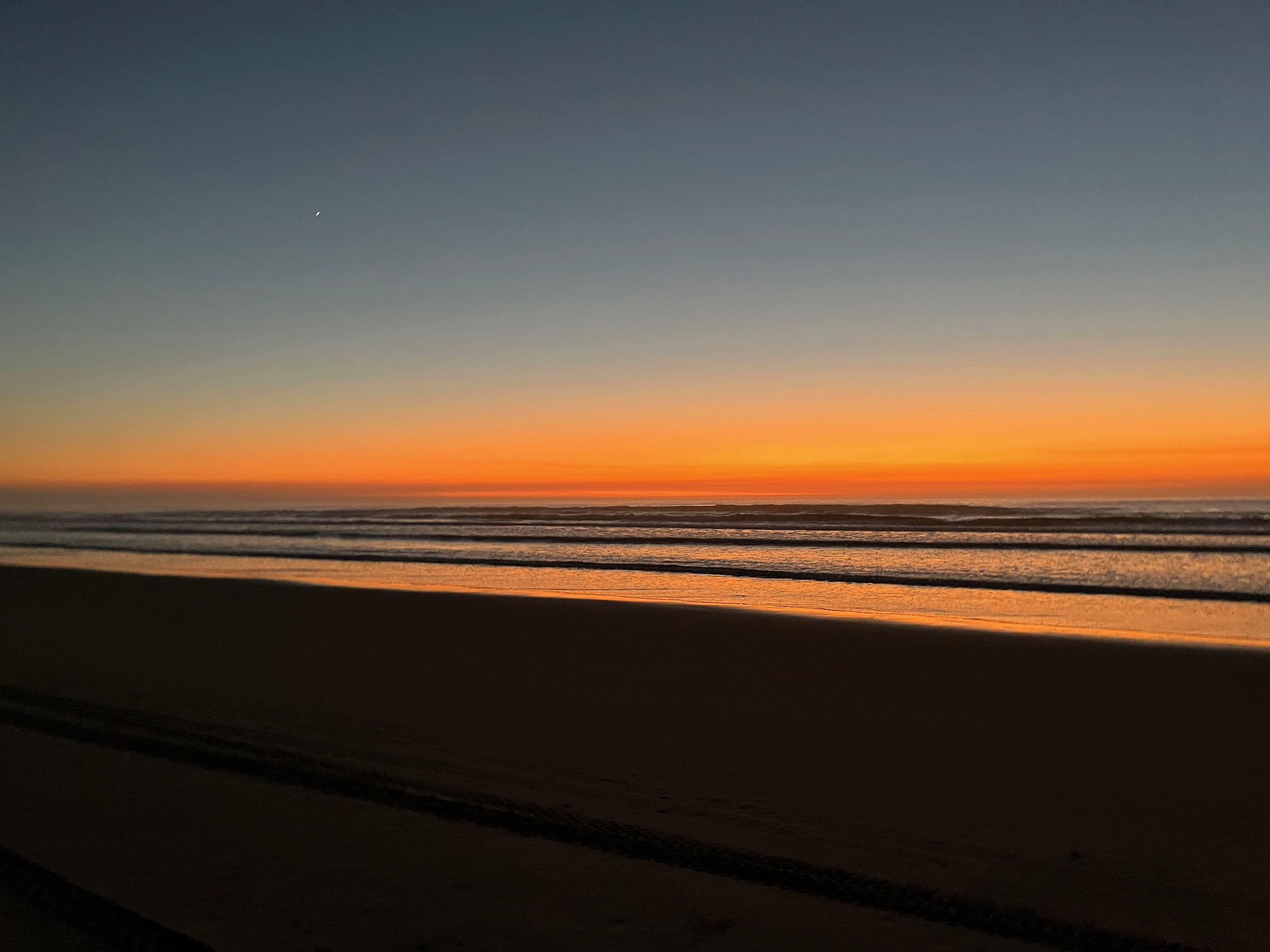
So we deleted them. All twelve. The atlas went dark again and stayed dark until the first photographer came back from Horseid Beach with seven frames and a story about a boat schedule. She dropped the pin herself, at the spot she had stood, and the first halo appeared.
The pin is created from the submission, not placed first for a photograph to find.
This is now the rule of the record, and it is the thing that makes LostCoasts different from a travel site. You cannot list a coast. You can only earn one. The photographer who was there drops the pin where they stood — click on the map, or paste the coordinates, then zoom in until the dot is on the exact shelf — and attaches only the photographs made at that spot. Nothing else. A photograph of California cannot be filed under France because there is no France pin to file it under until someone has been to France.
It makes the atlas slower to fill. Ten coasts in a season instead of a hundred. But every one of the ten is true, and a true map is the only kind worth paying to see.
Non-members see the halos — a place something happened, without the where. Members see the pins. That asymmetry is not a paywall. It is the record keeping faith with the people who made it.
— Insaan